

Exploring the diverse casino culture around the world with World Cup
The Historical Roots of Casino Culture
The origins of casinos can be traced back to ancient civilizations, where gambling was a popular pastime among various cultures. The Romans, for instance, engaged in games of chance during festivities, while in Asia, dice games emerged as early as the 3rd century BC. As societies evolved, so did the concepts of wagering, leading to the establishment of more organized gambling venues. By the 17th century, the first official casinos appeared in Italy, marking a significant milestone in gambling history. As we continue to explore the significance of casino culture, resources such as WorldCupForecast.com offer fascinating insights on trends and tips for enthusiasts.

The modern casino, as we know it today, began to take shape in the 19th century. The emergence of the Monte Carlo Casino in 1863 catalyzed a wave of luxury gambling establishments across Europe and eventually the United States. This era introduced a new level of sophistication and opulence to gambling, attracting high society and establishing casinos as entertainment hubs. Today, these establishments reflect the diverse cultures they represent, integrating local customs into their operations.
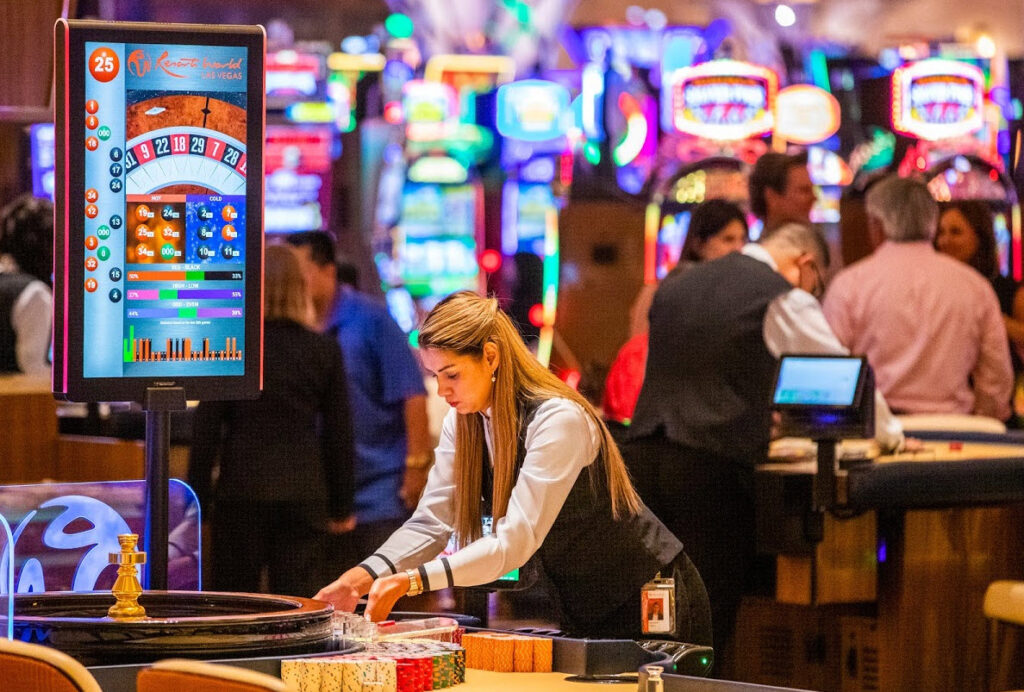
Incorporating casinos into various cultures has also influenced the growth of gambling regulations and practices. Countries have adopted different approaches to legalizing and managing casinos, impacting their operations significantly. For instance, Las Vegas in the United States represents a unique blend of entertainment and gambling, characterized by extravagant shows and lavish accommodations. This distinct approach to casinos has set the standard for many other regions, influencing their cultural perceptions of gambling.
The Role of Casinos in Major Sporting Events
Casinos play a crucial role during major sporting events, particularly in the context of the World Cup. This international soccer tournament garners immense attention, prompting fans and bettors to engage in various forms of wagering. The excitement surrounding the matches creates a vibrant atmosphere in casinos, often leading to special promotions and events tailored to enhance the viewing experience. Fans flock to these venues to watch games while placing bets on their favorite teams. World Cup predictions become a key focus, as people seek insights to increase their chances of winning.
Moreover, the synergy between casinos and sports events extends beyond just betting. Many casinos host viewing parties, offering fans an immersive experience with big screens, food, and entertainment. This convergence of casino culture and sports amplifies the thrill for attendees, as the stakes rise with each game played. The World Cup, with its global appeal, serves as a prime opportunity for casinos to showcase their offerings, thereby deepening their connection to the sports community.
This relationship not only boosts casino revenue during such events but also contributes to a broader acceptance of sports betting globally. As countries reevaluate their stance on gambling, major sporting events like the World Cup pave the way for more inclusive betting practices. In jurisdictions where sports betting remains restricted, the prominence of the World Cup encourages discussions around potential legalization, reflecting the evolving landscape of gambling worldwide.
Casinos and Cultural Identity
Casinos often embody the cultural identity of their respective regions, blending local traditions with modern entertainment. For instance, in Macau, known as the “Gambling Capital of the World,” casinos are adorned with influences from Chinese culture, providing an experience that resonates with both locals and tourists. The integration of traditional elements into gaming environments not only attracts visitors but also preserves cultural heritage, making casinos an essential part of the local identity.
In Europe, casinos like the Casino de Paris showcase the opulence and sophistication associated with French culture. These establishments offer an array of gaming options while incorporating gourmet dining and entertainment, reflecting the allure of Parisian life. Such cultural intricacies enhance the overall casino experience, allowing visitors to engage with the local environment more deeply.
Conversely, countries that have recently embraced casino culture, such as those in the Middle East, are creating unique hybrid experiences that blend Western influences with local customs. As these regions expand their gaming options, they often introduce elements that resonate with their traditions, crafting a distinct cultural narrative around their casinos. This ongoing evolution reflects how global influences can reshape local gambling traditions while enriching the casino landscape worldwide.
The Global Impact of Online Casinos
The rise of online casinos has significantly transformed the gambling landscape, offering a new dimension to casino culture. This shift allows players worldwide to access various games and betting options from the comfort of their homes. As technology continues to advance, online casinos are integrating innovative features such as live dealer games and virtual reality experiences, creating an engaging environment that rivals physical casinos.
In the context of major events like the World Cup, online casinos have become increasingly popular among bettors who prefer the convenience of wagering from home. Many online platforms offer exclusive promotions and betting options tailored specifically for the tournament, further enhancing the appeal of digital gaming. As the global audience for the World Cup expands, so does the reach of online casinos, allowing them to tap into diverse markets.
This transition to online platforms also raises discussions about responsible gambling and regulatory frameworks. As more players engage with online casinos, ensuring fair play and protecting consumers becomes paramount. Different jurisdictions are adapting their laws to accommodate this burgeoning industry, striving to strike a balance between fostering innovation and safeguarding the interests of players. The evolving relationship between online casinos and events like the World Cup reflects the dynamic nature of gambling culture in today’s world.
Exploring Predictions and Insights for the World Cup
As the World Cup approaches, the anticipation surrounding predictions and insights grows significantly. Fans, analysts, and casual observers alike engage in discussions regarding team performances, player fitness, and historical data to forecast outcomes. This engagement often extends to betting, where odds fluctuate based on various factors, creating a dynamic environment for bettors to navigate.
The connection between the World Cup and casino culture is especially pronounced during this period, as sportsbooks and casinos provide resources for making informed predictions. Websites dedicated to analyzing team statistics and player conditions offer valuable insights, guiding bettors in their decision-making process. By amalgamating expert opinions and statistical data, fans can better understand the complexities of the tournament and enhance their betting strategies.
In this way, the World Cup serves as more than just a sporting event; it becomes a cultural phenomenon that unites fans, bettors, and analysts around a common interest. The blending of sports and gambling creates a unique tapestry of experiences, fostering a deeper appreciation for both the game and the casino culture that surrounds it. As we look forward to the upcoming tournament, the excitement continues to build, promising a thrilling intersection of competition and entertainment.